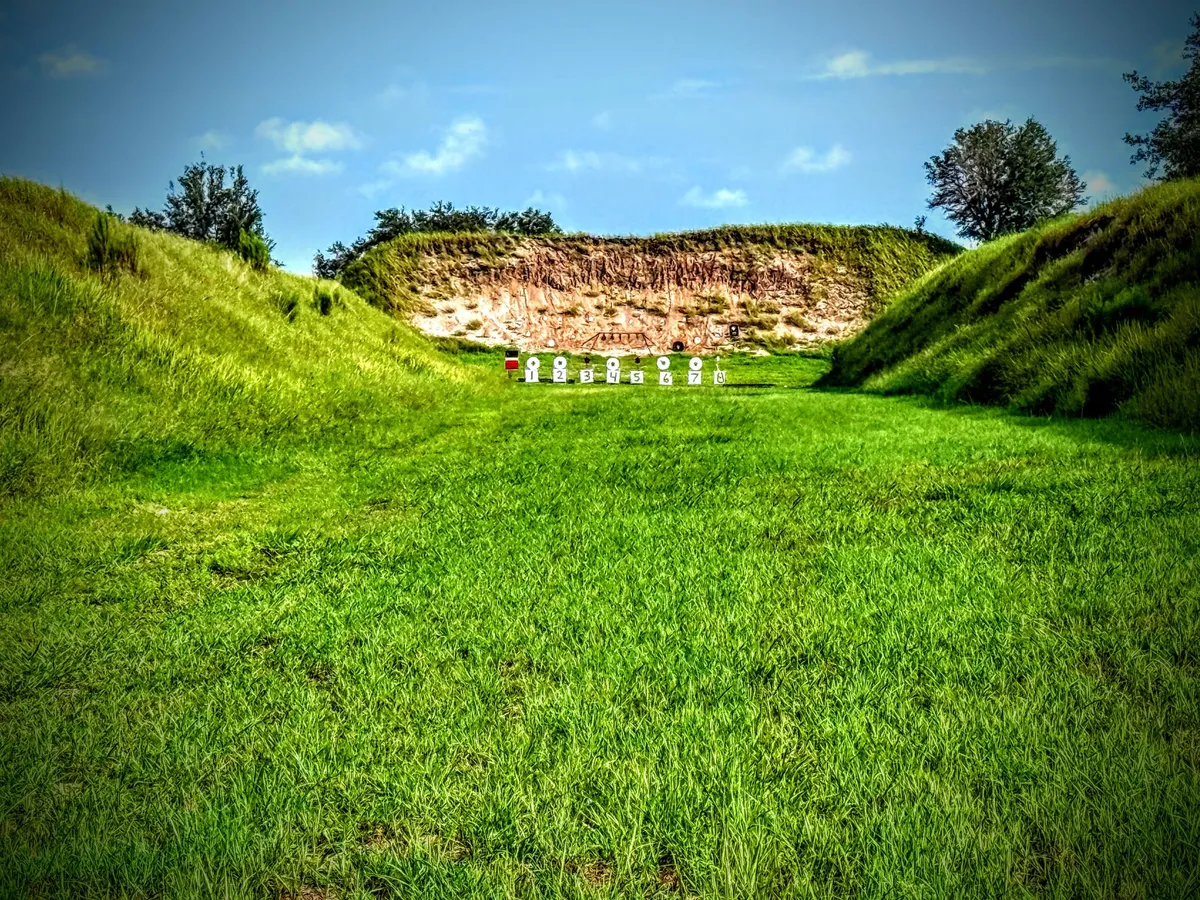
How to Prepare for Your First Visit to a 1,000-Yard Gun Range
A successful day at a 1,000-yard gun range starts well before you step up to the firing line. For recreational shooters interested in long-range target shooting, a productive experience begins with understanding the facility’s rules, recognizing personal limits, and seeking qualified instruction.
Build your knowledge and seek qualified guidance at Manatee Gun & Archery Club in Myakka City, Florida, to practice responsibly as you work toward your goals.
Start With Qualified Instruction
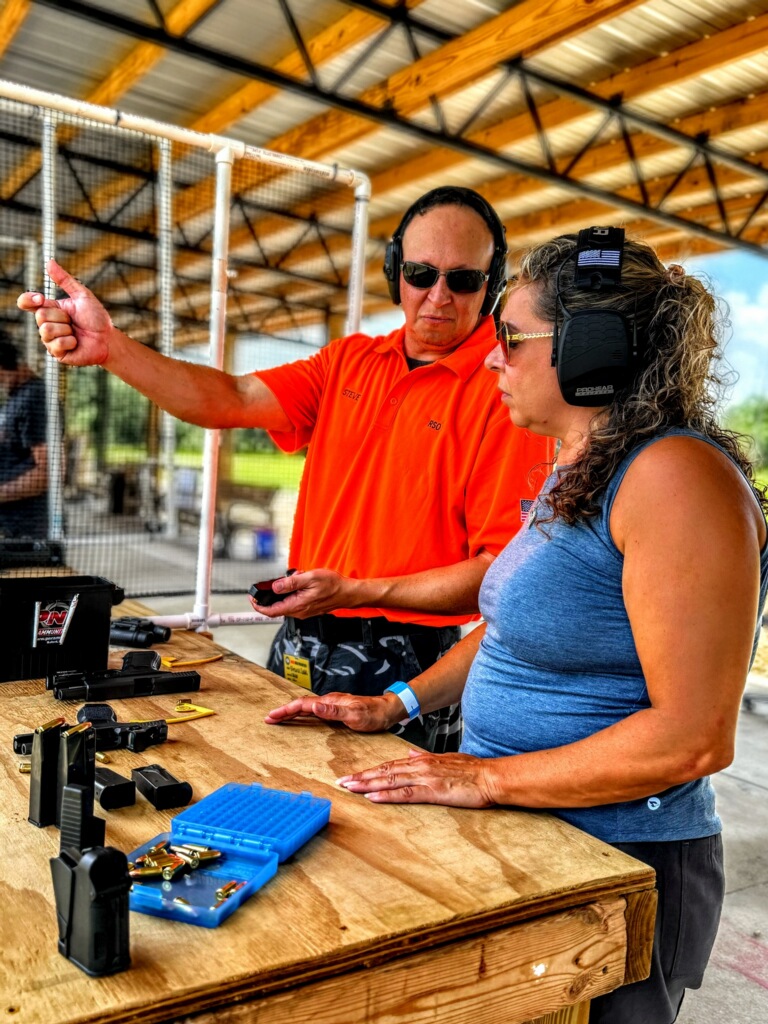
Manatee Gun & Archery Club hosts scheduled training courses through outside providers such as The Team Room. Check the club’s Training & Classes page for available programs and contact the clubhouse to ask about instruction suited to your experience. Confirm course prerequisites and long-range access requirements before planning your visit.
An instructor can assess your readiness and explain range expectations while helping you choose a suitable learning path. Share your experience openly and ask questions about anything you feel unsure about.
Useful questions to ask include
What prerequisites must I meet before using the long-range facilities?
Is a safety orientation required?
Are supervised sessions available?
What should I bring to my first appointment?
Getting these answers in advance helps you arrive prepared.
Make Firearm Safety Your First Priority
Responsible firearm handling remains essential at every distance. Treat every firearm as loaded, keep the muzzle pointed in a safe direction, keep your finger off the trigger until you are ready to shoot and know your target and what is beyond it. These principles apply throughout your visit.
Follow the range safety officer’s directions and ask for clarification whenever a command is unfamiliar. Never assume another facility’s procedures apply to the range you are visiting.
Learn the Range’s Rules Before Arriving
Contact the facility or review its published policies before your visit. Check its reservation and orientation requirements, what equipment is allowed, and long-range access.
During the safety briefing, make sure you understand:
Where firearm handling is permitted.
How the facility communicates a cease-fire.
What to do when shooting stops.
When people can go downrange.
How to report an unsafe condition or request assistance.
Knowing these procedures allows you to participate with greater confidence and helps protect everyone sharing the range.
Prioritize Protection and Personal Readiness
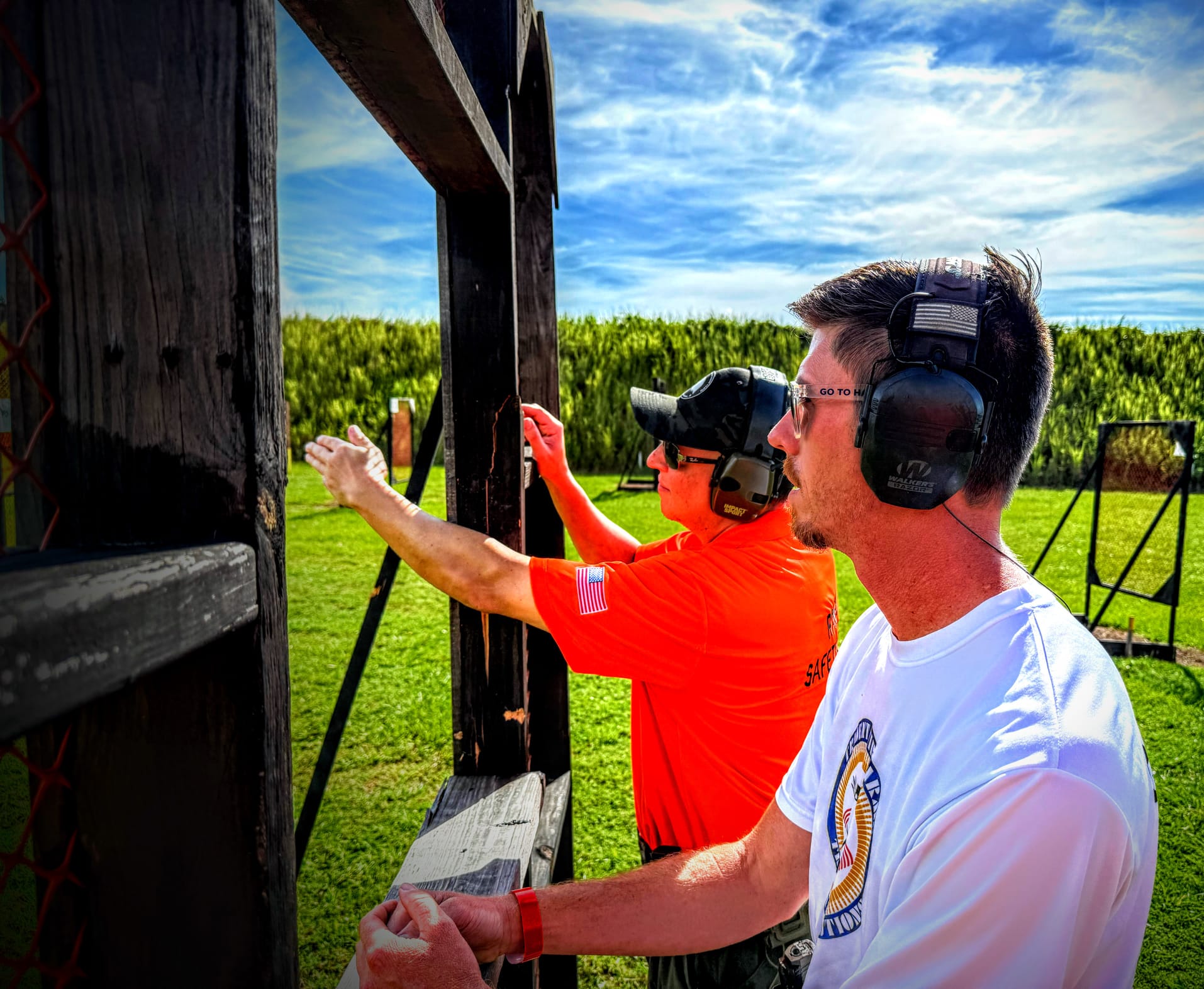
Wear appropriate shooting eye protection and hearing protection. The National Shooting Sports Foundation identifies both as essential precautions whenever shooting.
For an outdoor visit, also prepare for the weather. Bring drinking water, suitable clothing, and sun protection when needed. Give yourself enough time to check in and attend the briefing without rushing.
Take a break if you become tired, uncomfortable, or distracted. Stop participating if you cannot give firearm handling and range commands your full attention.
Address Equipment Concerns Before Your Session
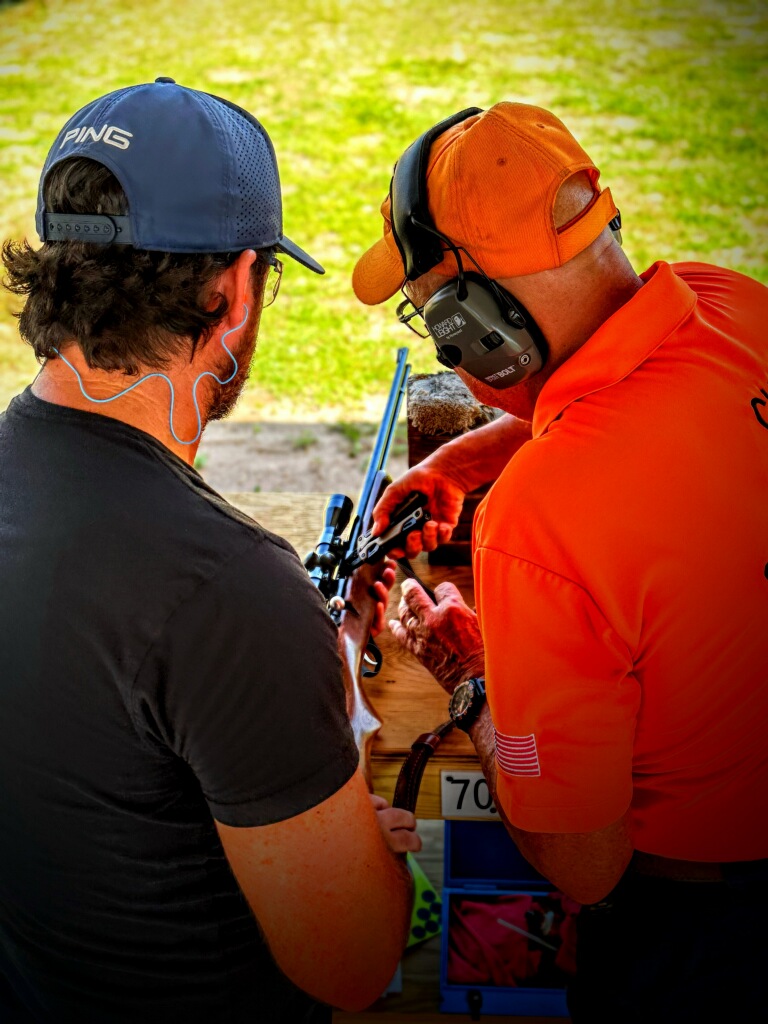
Read the manufacturer’s safety instructions and ask range staff about equipment requirements before arriving. If you have concerns about a firearm’s condition, arrange an assessment by a qualified gunsmith.
Do not continue using equipment that appears damaged or behaves unexpectedly. Keep it pointed in a safe direction and request assistance from range staff. NSSF guidance emphasizes understanding a firearm’s operation and having necessary servicing performed by a qualified professional.
Set Realistic Expectations
A first visit does not need to end with reaching the longest available distance. Becoming familiar with the facility, demonstrating safe handling, and understanding your instructor’s expectations are worthwhile goals.
Avoid comparing your progress with other shooters. Your experience, readiness, and learning needs should guide the conversation with your instructor.
Afterward, note any questions about safety procedures, facility policies, or future instruction. Bring those questions to your next supervised session.
Frequently Asked Questions
Q: Is a 1,000-yard gun range suitable for beginners?
Contact the facility before booking. Ask about prerequisites, orientation, and beginner instruction. A qualified instructor can help assess whether the available program is appropriate for your experience.
Q: Do I need an instructor for my first visit?
Ask what the range requires. Supervised instruction provides an opportunity to learn facility procedures, discuss your experience, and receive an assessment of your readiness.
Q: What should I bring to a 1,000-yard gun range?
Confirm the facility’s checklist first. Bring required identification or reservation information, appropriate eye and hearing protection, weather-appropriate clothing, and drinking water.
Q: What should I do if I do not understand a range command?
Stop and ask the range safety officer for clarification. Resolve any uncertainty before handling a firearm or continuing the activity.
Q: Should I continue if I feel tired or frustrated?
Take a break. If fatigue, discomfort, or frustration interferes with your attention, end the session and discuss future plans with your instructor.
Q: What is a useful goal for a first long-range visit?
Focus on completing the orientation, following safety procedures, and understanding the facility’s requirements. Let qualified instruction guide decisions about further participation.
