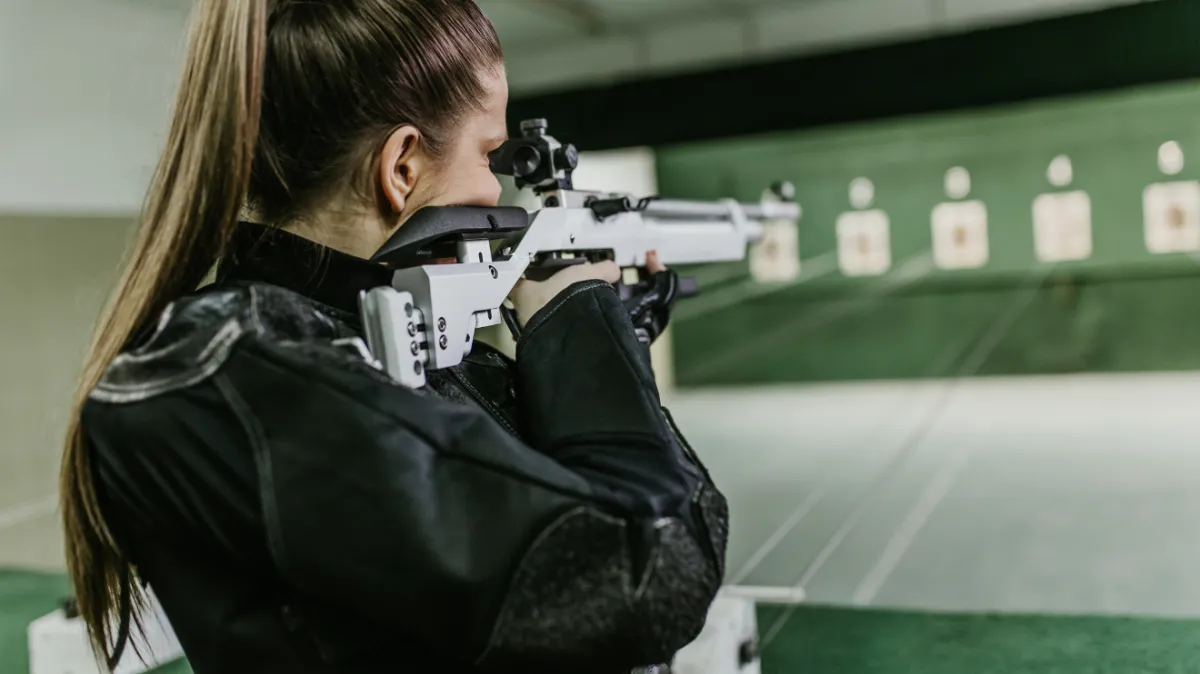
Gun Shooting Training: Essential Safety Habits Every Shooter Should Learn
Your first day of gun shooting training probably won't be about hitting a tiny bullseye. Most people expect that. Instead, you'll spend more time learning how to stay safe than how to shoot accurately, and honestly, that's exactly how it should be.
Good marksmanship can always improve with practice. Safe habits, though those need to be there from the very beginning. Whether you are joining a gun shooting club for the first time or joining a professional gun shooting academy, every lesson starts with responsibility. It is not only about learning how to fire a firearm.
Quick Summary
● Safe firearm habits are the foundation of every successful shooter.
● Professional instruction helps you avoid common mistakes beginners make.
● Never skip eye and ear protection.
● Consistent practice builds confidence and reinforces safe behavior.
● Understanding range procedures keeps everyone protected.
Always Follow the Four Fundamental Firearm Safety Rules
Ask any experienced shooter where training begins, and you'll probably hear the same answer. With the safety rules. They aren't suggestions or good ideas to remember once in a while. They're habits that should guide every movement you make around a firearm.
The Four Fundamental Rules are:
● Treat every firearm as though it's loaded.
● Never point the muzzle at anything you aren't willing to destroy.
● Keep your finger outside the trigger guard until you're ready to shoot.
● Know your target and what's beyond it.
These rules work together. Ignore even one, and the risk of an accident increase. That's why instructors repeat them constantly during firearms training. Eventually, you stop thinking about them because they become part of everything you do.
Wear the Right Eye and Ear Protection During Every Training Session
There's something people rarely expect until they visit a range, the noise.
Even standing several lanes away, the sound of repeated gunfire is surprisingly powerful. Without proper hearing protection, even a short session can cause lasting damage. The same goes for eye protection. Tiny pieces of brass, powder residue, or debris can travel farther than you'd think.
A good training session should always include:
● Quality hearing protection that fits comfortably.
● Impact-resistant safety glasses.
● Closed-toe shoes.
● Clothing that allows safe movement without restricting you.
Comfort matters more than many beginners realize. If you're constantly adjusting uncomfortable equipment, it's harder to stay focused on safe firearm handling.
Learn Proper Firearm Handling Before Live-Fire Practice
Usually, instructors spend time teaching safe firearm handling with unloaded firearms or dry-fire practice before introducing live ammunition. This helps build confidence in new shooters without putting too much pressure on them.
During these sessions, you'll usually practice:
● Safe loading and unloading procedures.
● Correct grip and stance.
● Muzzle awareness.
● Trigger discipline.
● Basic firearm inspections.
These skills may seem repetitive, but that's the point. When safe movements become automatic, you have more mental focus available for accuracy once live-fire training begins.
Train with Certified Instructors and Range Safety Officers
Watching videos online can introduce basic concepts. Learning beside a qualified instructor is something entirely different. Certified instructors notice small mistakes long before they become dangerous habits. Sometimes it's your grip. Sometimes it's where you're looking. Other times it's simply how you're moving between stations.
At a reputable gun shooting academy, instructors explain the reasons behind every safety procedure rather than asking students to memorize rules. That understanding makes it easier to react correctly under pressure. Range Safety Officers provide an additional level of safety. They oversee all training to make sure everyone adheres to the set procedures, and to react immediately when something goes wrong. A little guidance early on can save months of correcting bad habits later.
Understand Range Commands and Emergency Safety Procedures
Eventually you'll hear someone call out, "Cease Fire." When that happens, everything stops immediately. Range commands exist because everyone needs to react the same way at the same time. Confusion has no place around firearms. Some of the most common commands include:
● Cease Fire
● Range Is Hot
● Range Is Cold
● Load and Make Ready
● Unload and Show Clear
Listening carefully matters just as much as shooting well. Before every session, instructors also explain emergency procedures, safe movement around the range, and what to do if equipment malfunctions. These conversations don't take long, but they prepare everyone for situations that require calm, quick decisions.
Practical Safety Guide for New Shooters
Training Focus | Why It Matters | Best Practice |
Firearm Safety Rules | Prevents avoidable accidents | Apply all four rules every time |
Protective Equipment | Protects hearing and eyesight | Wear approved eye and ear protection |
Firearm Handling | Builds confidence safely | Practice with unloaded firearms first |
Professional Instruction | Corrects mistakes early | Learn through certified firearms training |
Range Commands | Improves awareness | Listen and respond immediately to instructions |
Build Safe Shooting Habits Through Regular Practice
Every visit to a gun shooting club reinforces the same fundamentals, and that's intentional. The more often you repeat safe behaviors, the less likely you are to make careless mistakes when distractions appear. Regular practice helps strengthen:
● Safe firearm handling.
● Consistent trigger discipline.
● Proper stance and balance.
● Range awareness.
● Confidence under supervision.
Accuracy and safety improve with repetition.Over time, these habits become instinctive, allowing you to focus on improving your shooting skills while continuing to protect yourself and those around you.
Conclusion
The best shooters don't earn respect because they shoot the tightest groups. They earn it because everyone around them knows they'll handle every firearm responsibly. That's what gun shooting training is about. Building habits that stay with you long after your first lesson ends.
Whether you're beginning at a local gun shooting club or enrolling in a professional gun shooting academy, choose programs that place safety ahead of everything else. Strong firearms training, consistent practice, and qualified instruction create confident shooters who understand that every safe decision matters. Some lessons improve your aim. These protect everyone around you.
FAQs
Q1. What should beginners learn first in gun shooting training?
Beginners should first learn the four fundamental firearm safety rules, safe firearm handling, proper grip, stance, and how to safely load and unload a firearm before participating in live-fire exercises.
Q2. Why is firearm safety the most important part of shooting training?
Firearm safety prevents accidents and protects everyone on the range. Strong safety habits create responsible shooters and provide the foundation for developing shooting skills with confidence.
Q3. Do I need professional instruction before using a shooting range?
Professional instruction is highly recommended, especially for beginners. Certified instructors teach correct techniques, reinforce safe habits, and help prevent mistakes that could become dangerous.
